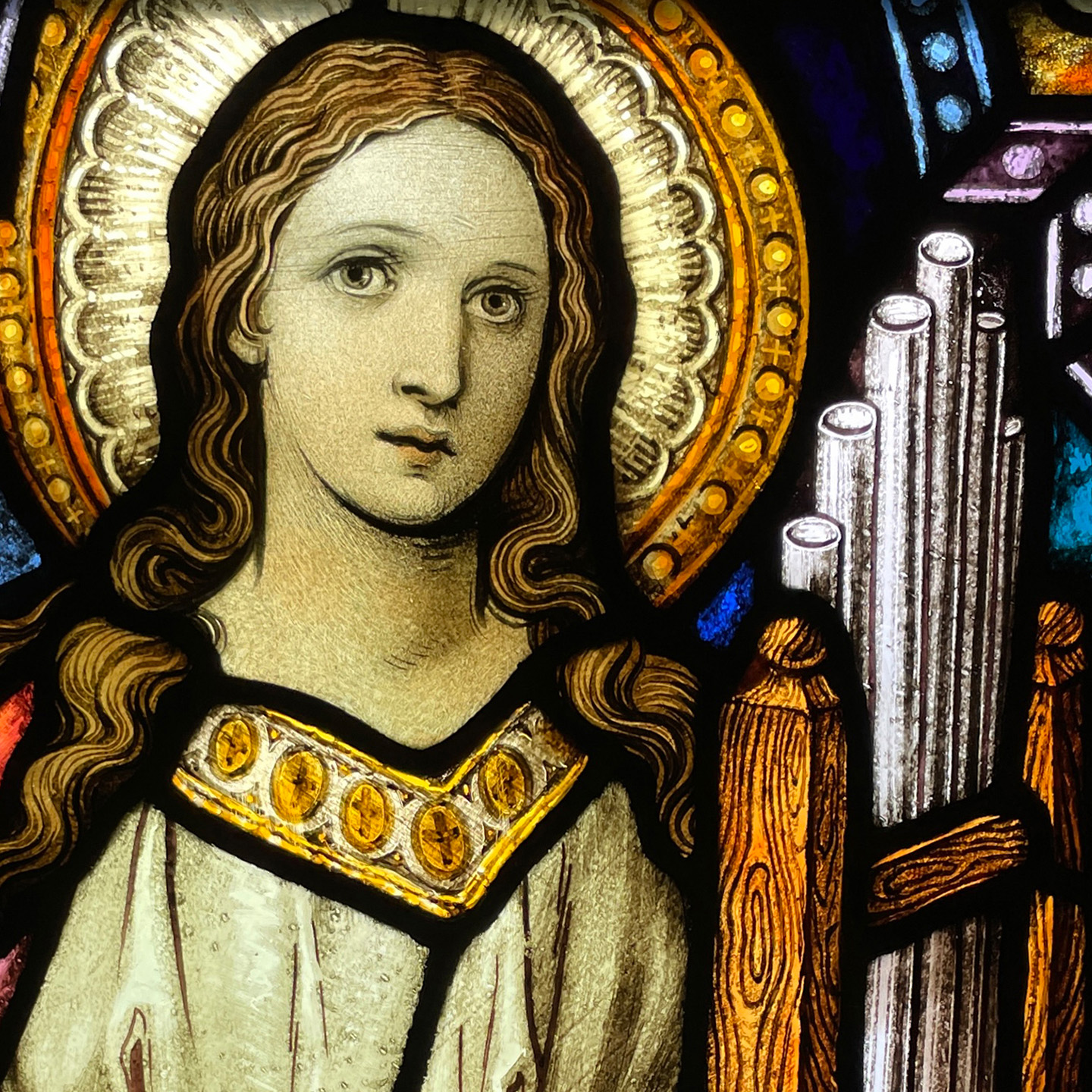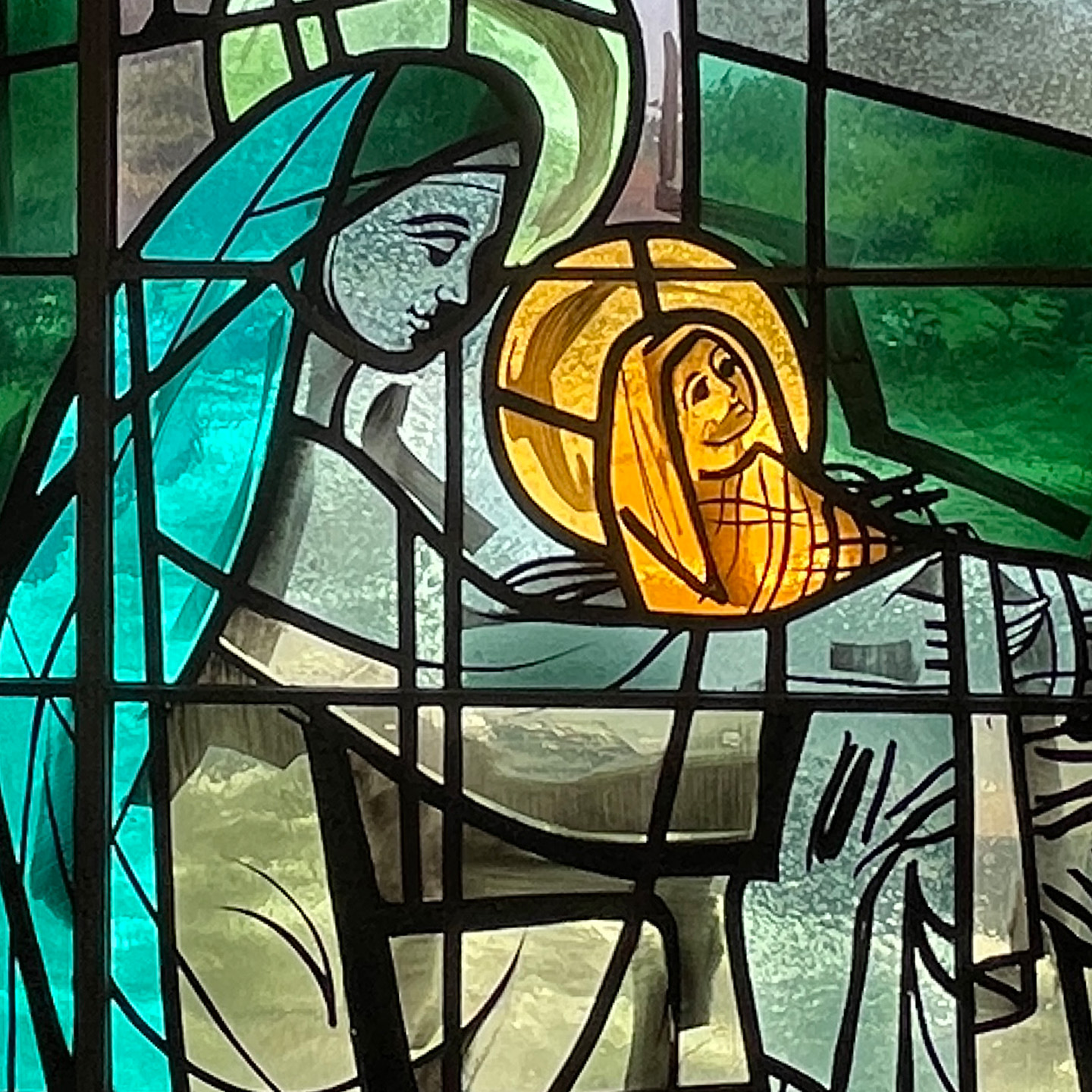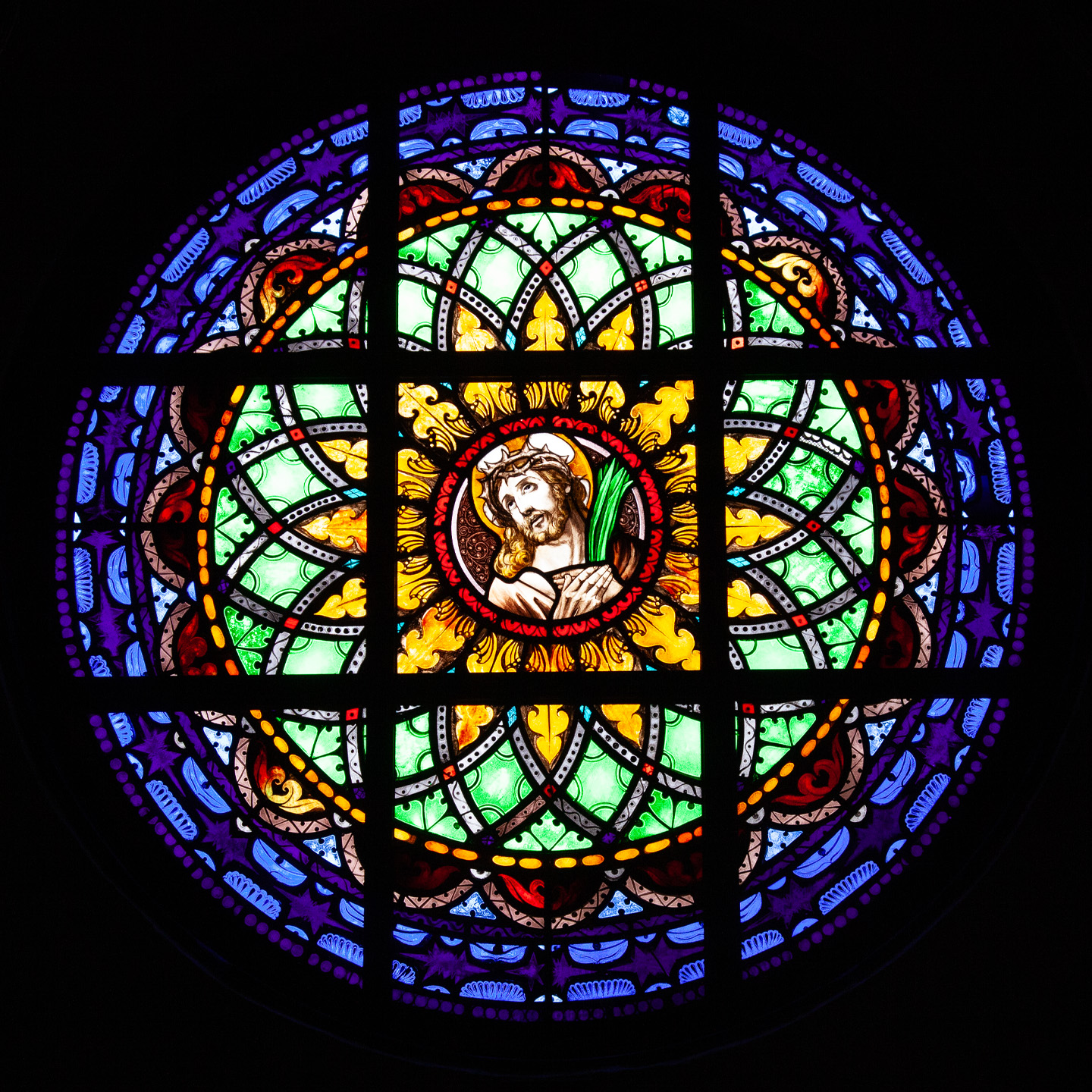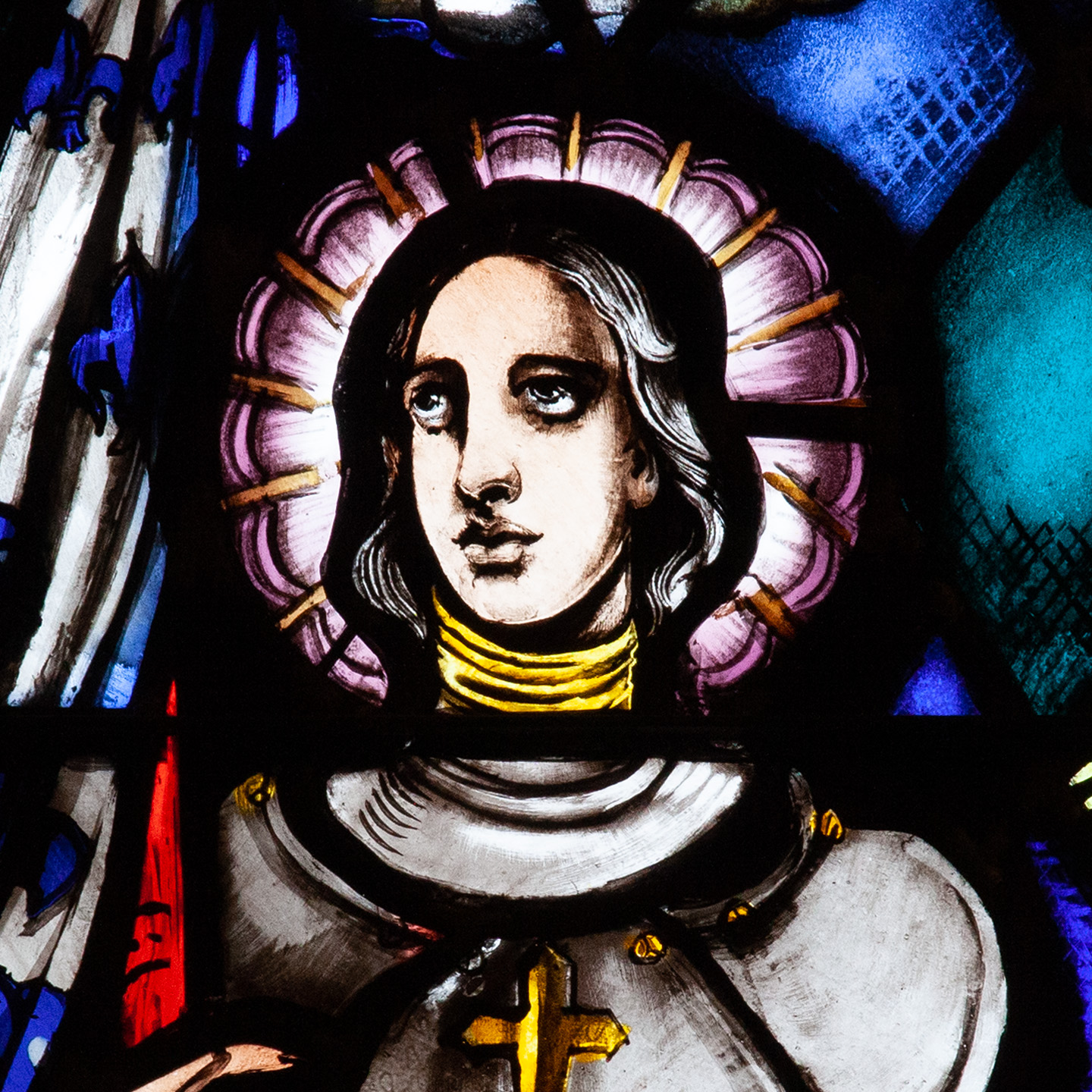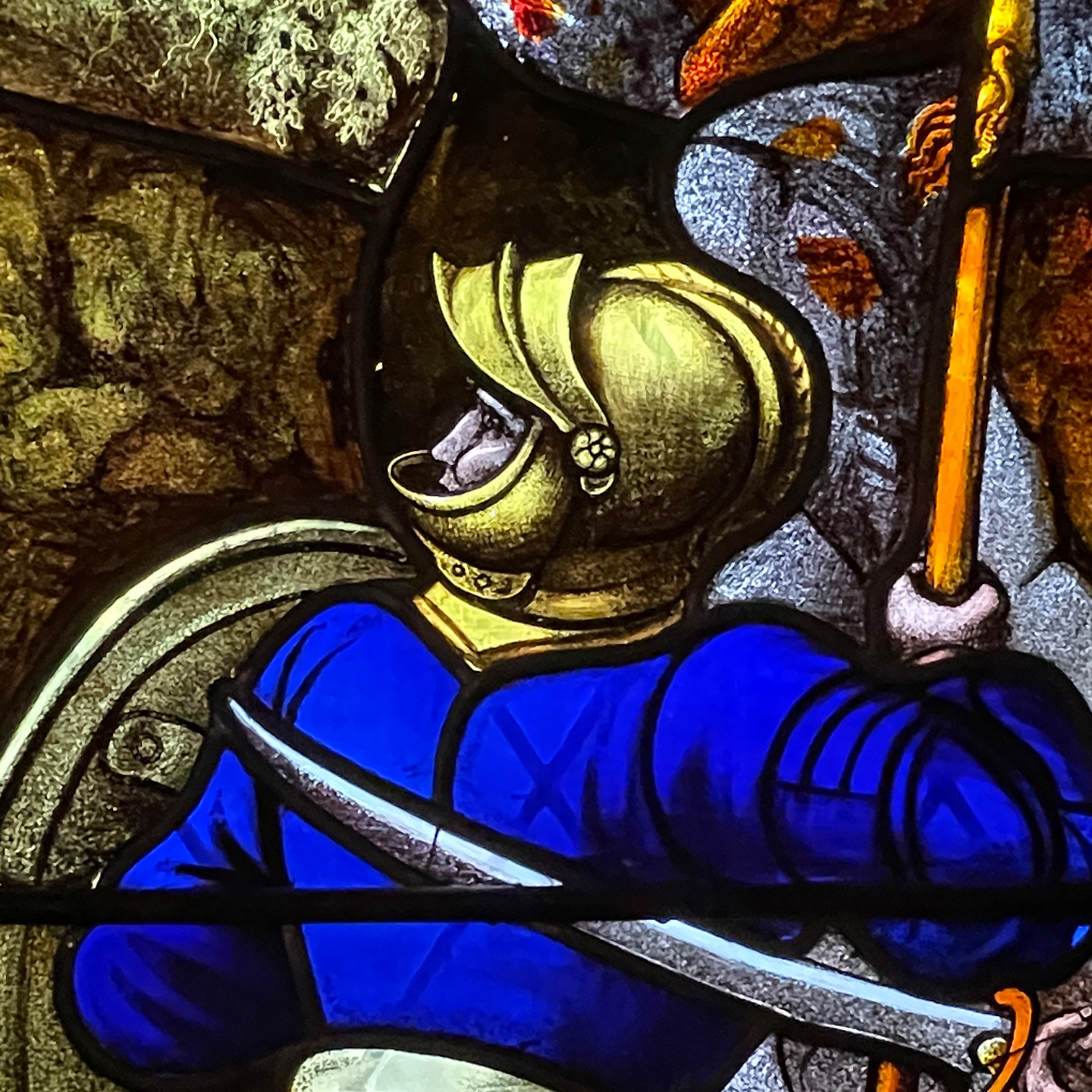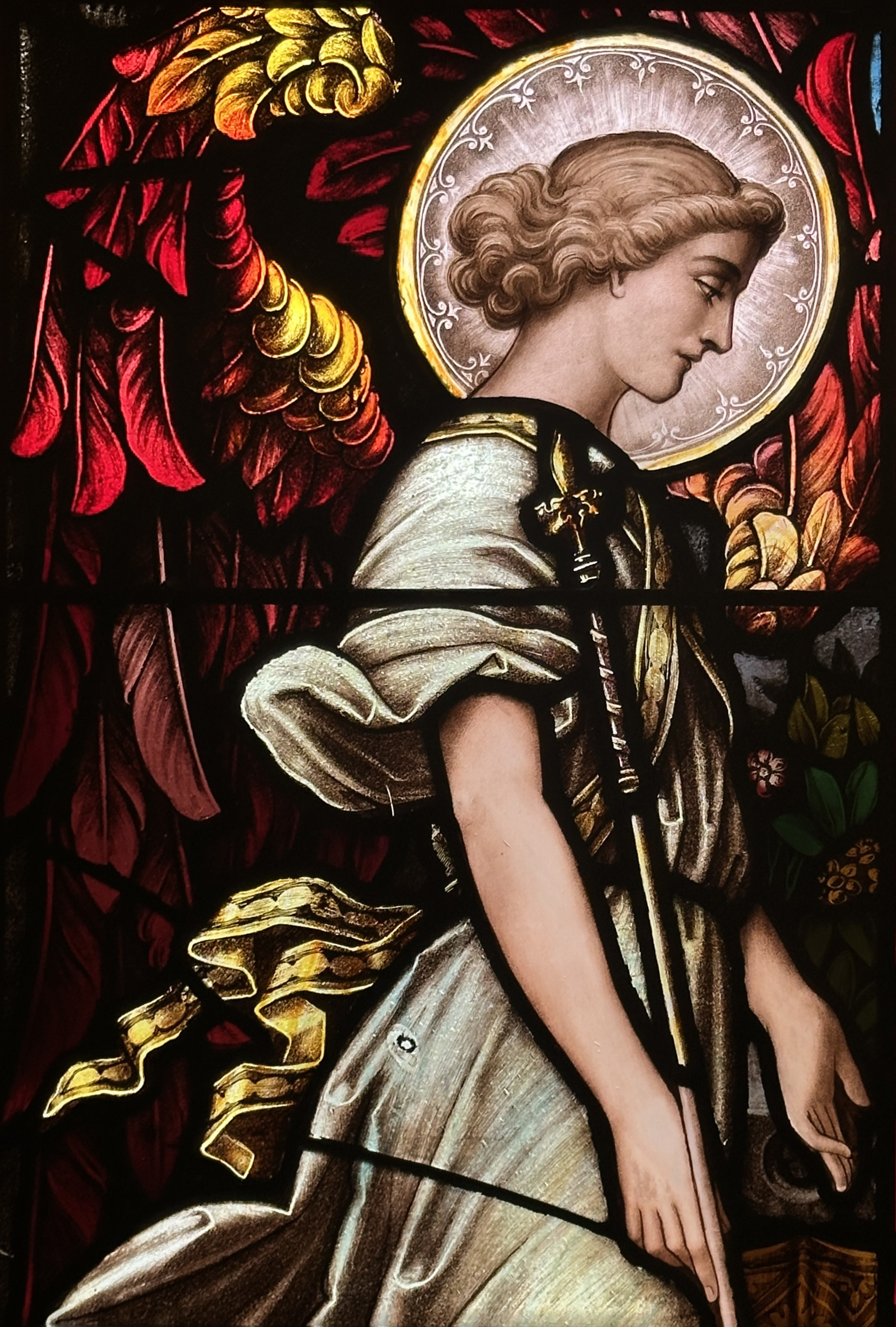
In stained glass, angels are often shown with multi-colored wings that shimmer with radiant light. Each pane of color reflects a sense of divine harmony, blending blues, reds, and golds into a vision of the heavenly. Their vibrant wings seem to carry not just the angels themselves, but also the spirit of hope and transcendence.
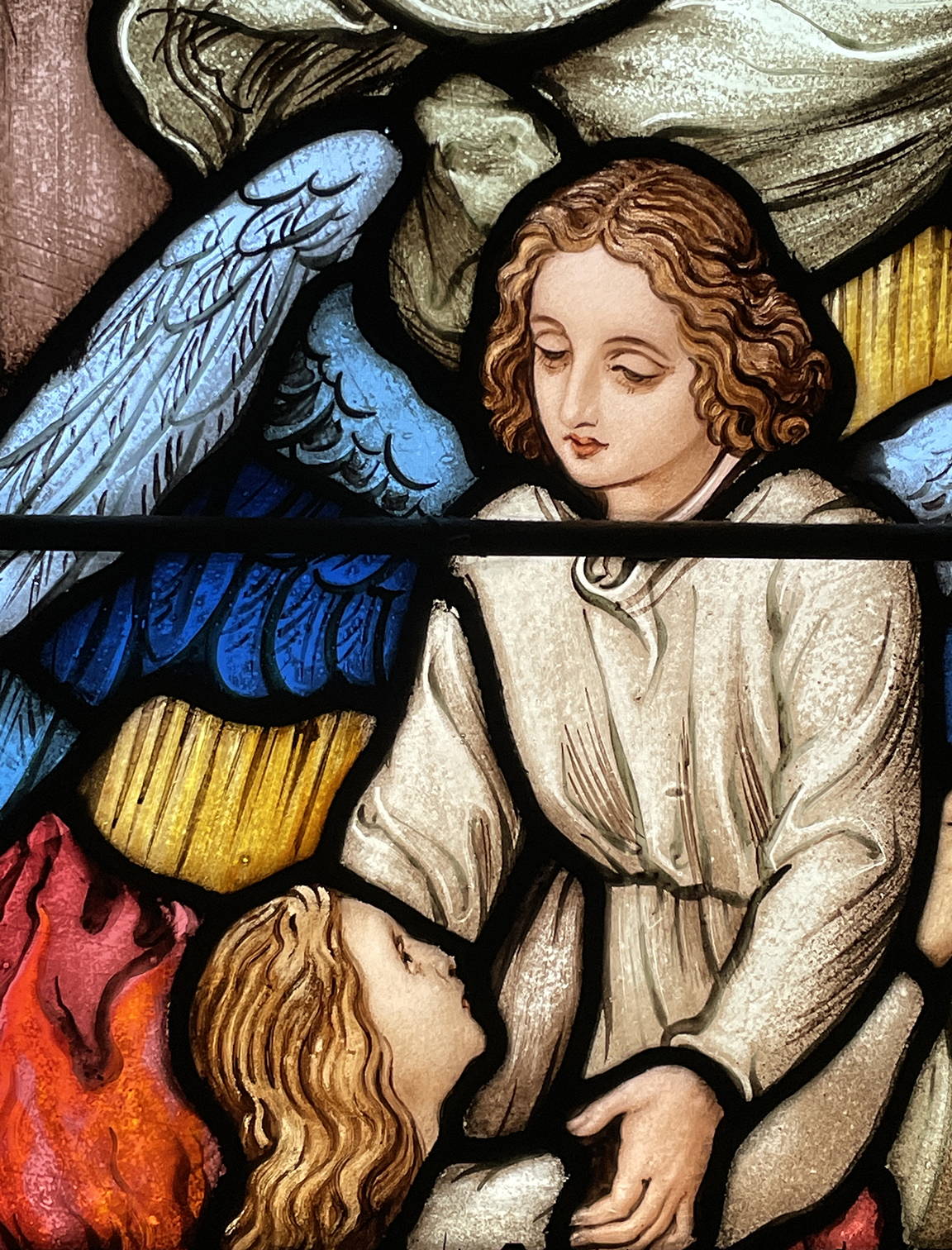
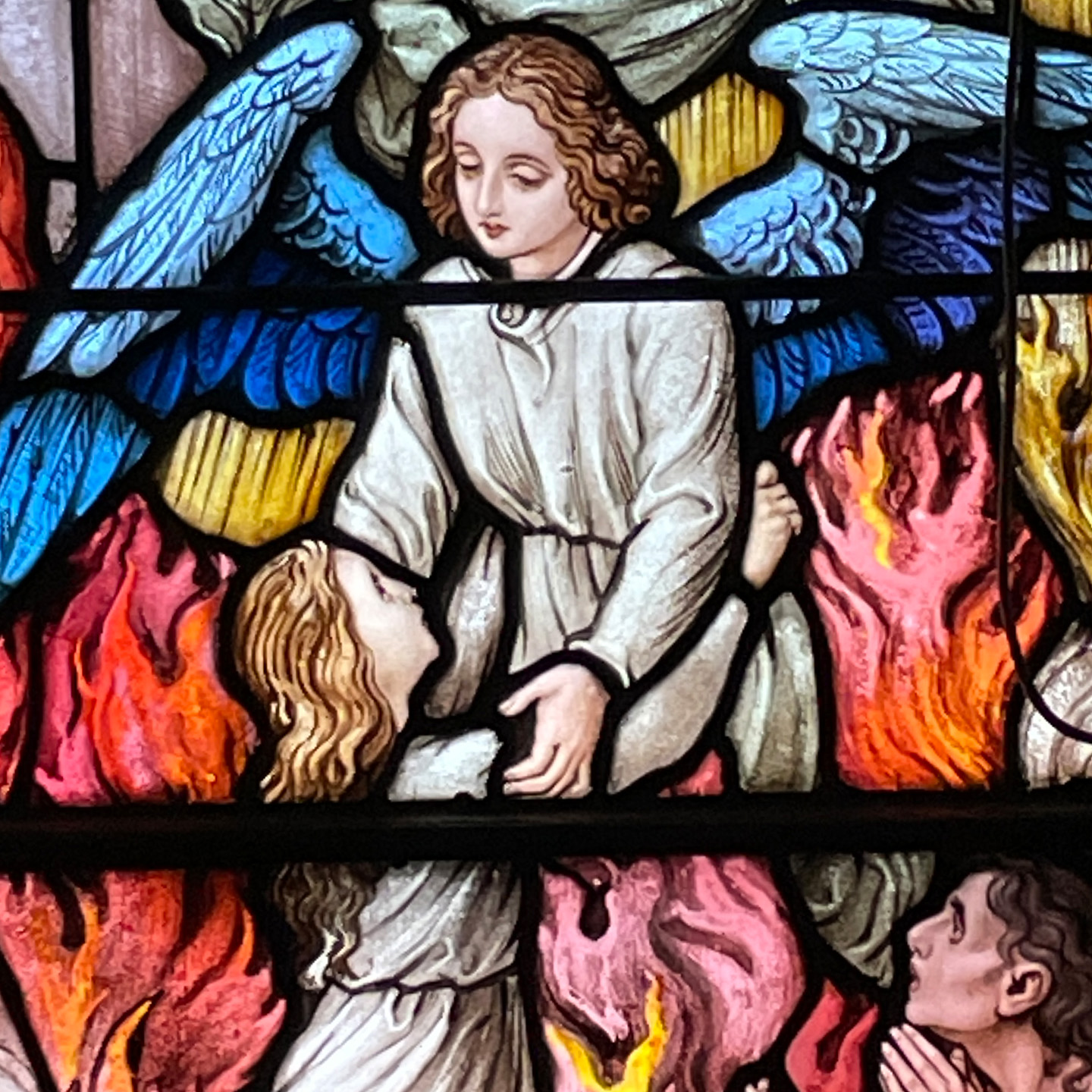
Angels are often seen as radiant guides who descend into the depths to lift burdened souls toward the light. With compassion and strength, they break through the weight of despair, offering wings of hope and release. In their embrace, the soul is carried from torment into the boundless peace of heaven.
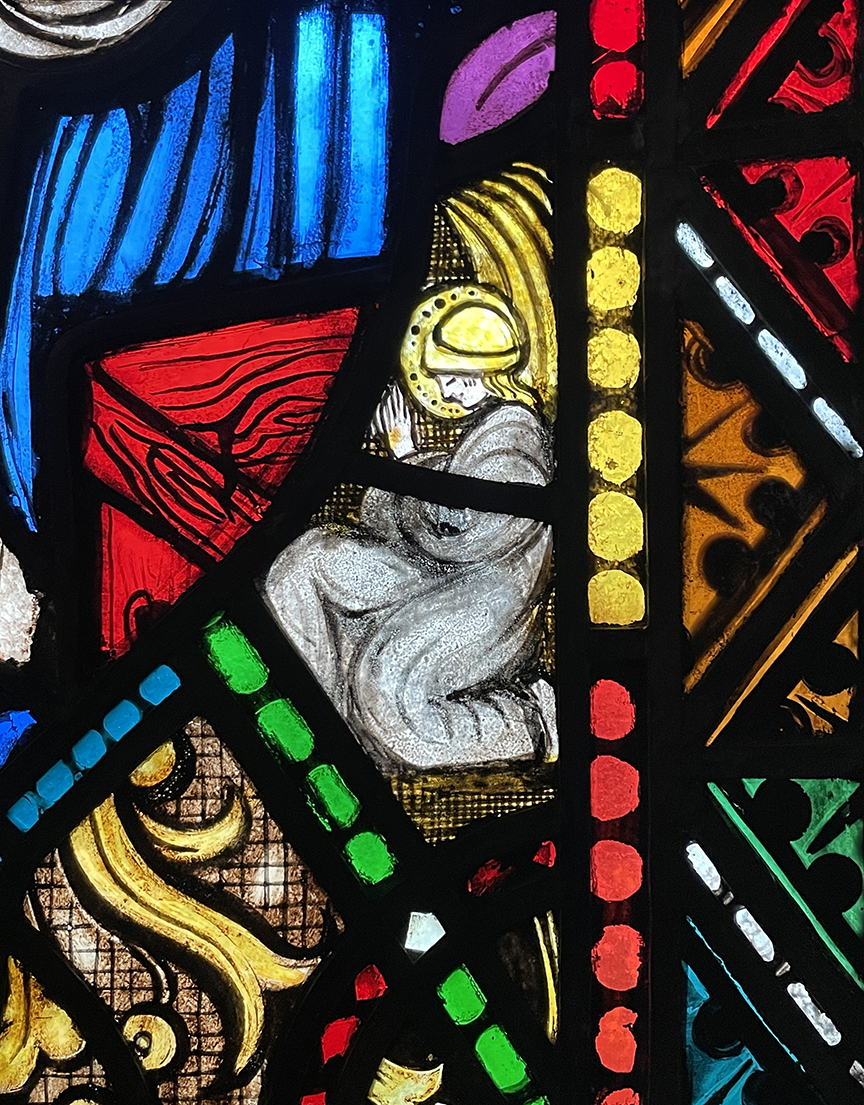
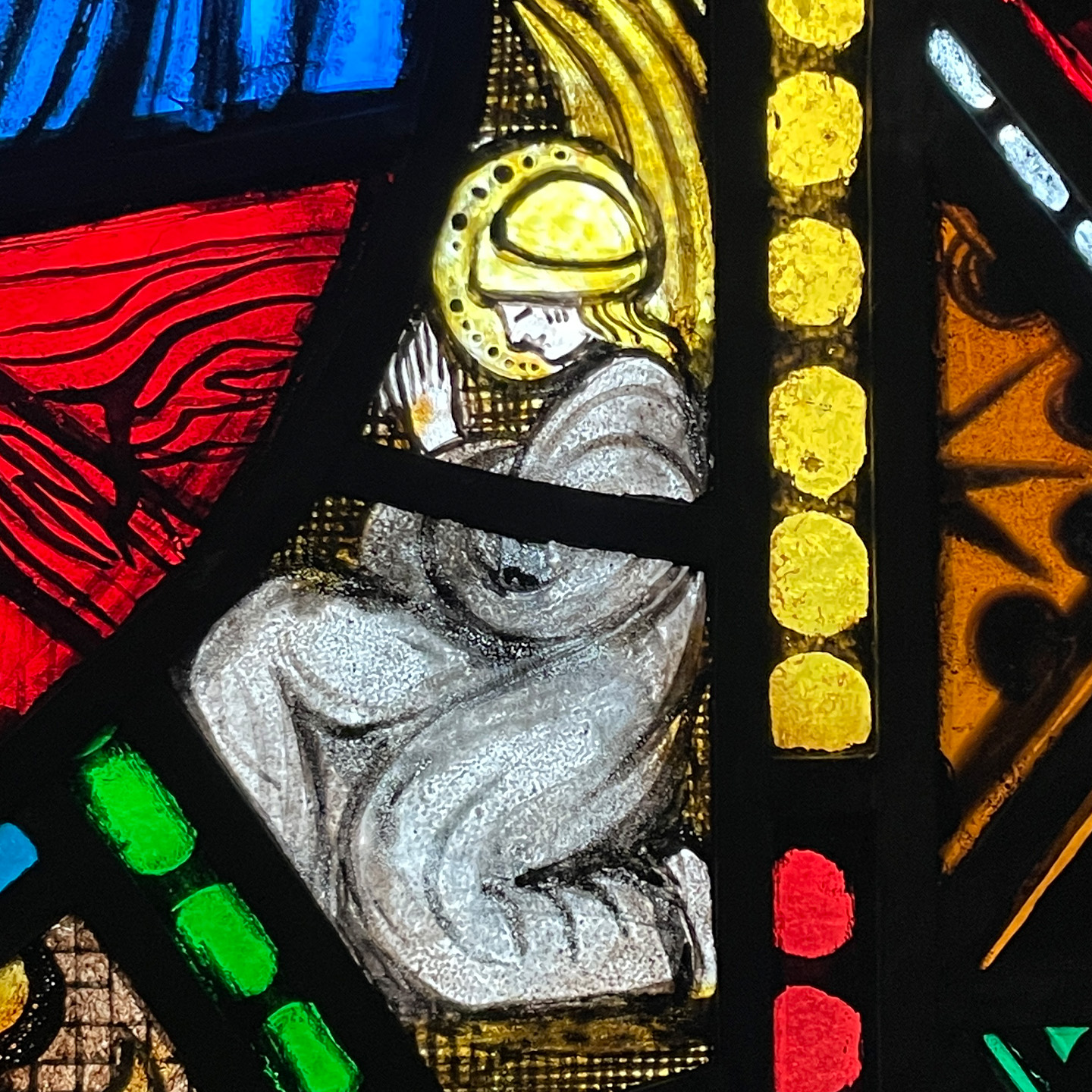
In many churches, angels are often tucked into the nooks and crannies of stained glass windows, peeking out from corners or woven into intricate patterns. Their hidden placement encourages worshippers to look more closely, discovering divine presence in unexpected places. This subtle design reflects the belief that angels move quietly among us, unseen but always near. By concealing them within the glass, artists remind the faithful that the sacred often reveals itself only to those who truly seek it.

An angel stands gracefully, holding a wand crowned with delicate wings that mirror its own. The wand glows softly, as if channeling the same divine light that radiates from the angel’s presence. Together, the angel and its winged wand symbolize guidance, transformation, and the lifting of the spirit.
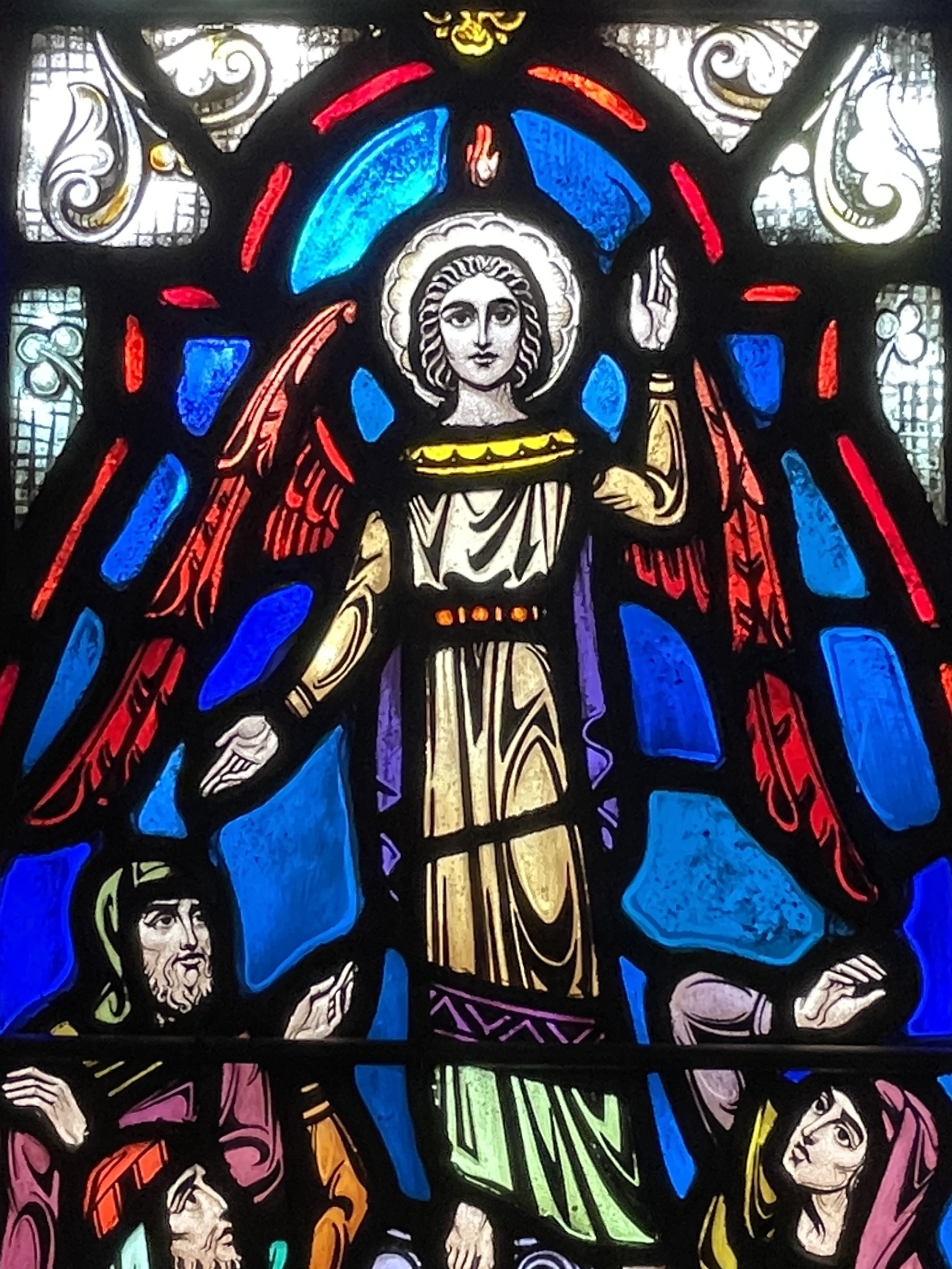
In Christian art, a flame over an angel’s head symbolizes the presence and power of the Holy Spirit. The flame represents divine inspiration, enlightenment, and the transmission of God’s message—much like the tongues of fire that descended on the apostles at Pentecost. When shown above an angel, it emphasizes the angel’s role as a bearer of God’s truth and a being filled with heavenly light. This small but striking symbol highlights the angel’s connection to divine wisdom and the guiding fire of God’s love.