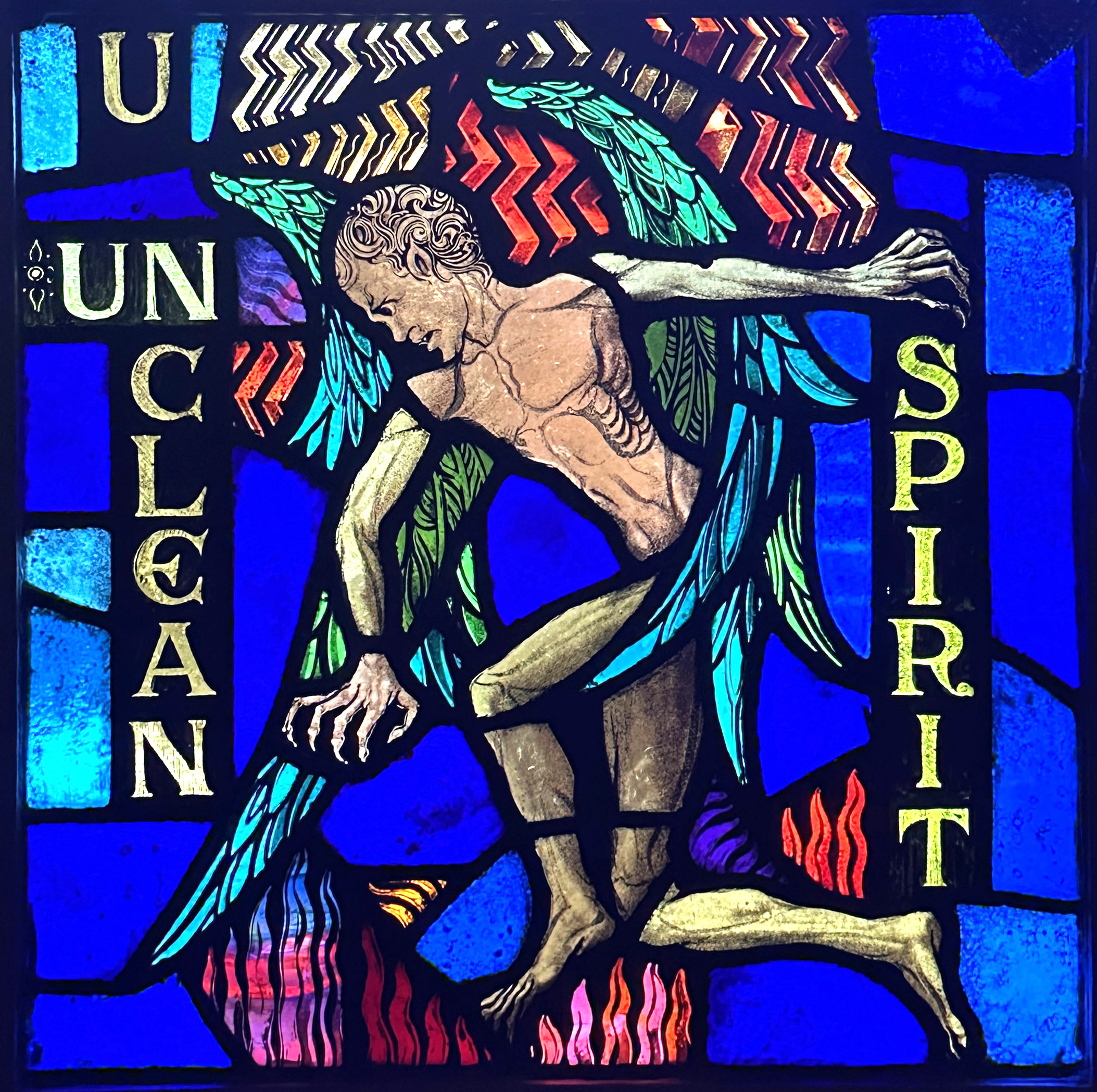
The devil is often described as an unclean spirit because he represents corruption, deception, and separation from what is holy and good. In this view, “unclean” doesn’t mean physical dirt, but moral and spiritual impurity—an influence that distorts truth and encourages harmful choices. As an unclean spirit, the devil is seen as working through temptation and lies.
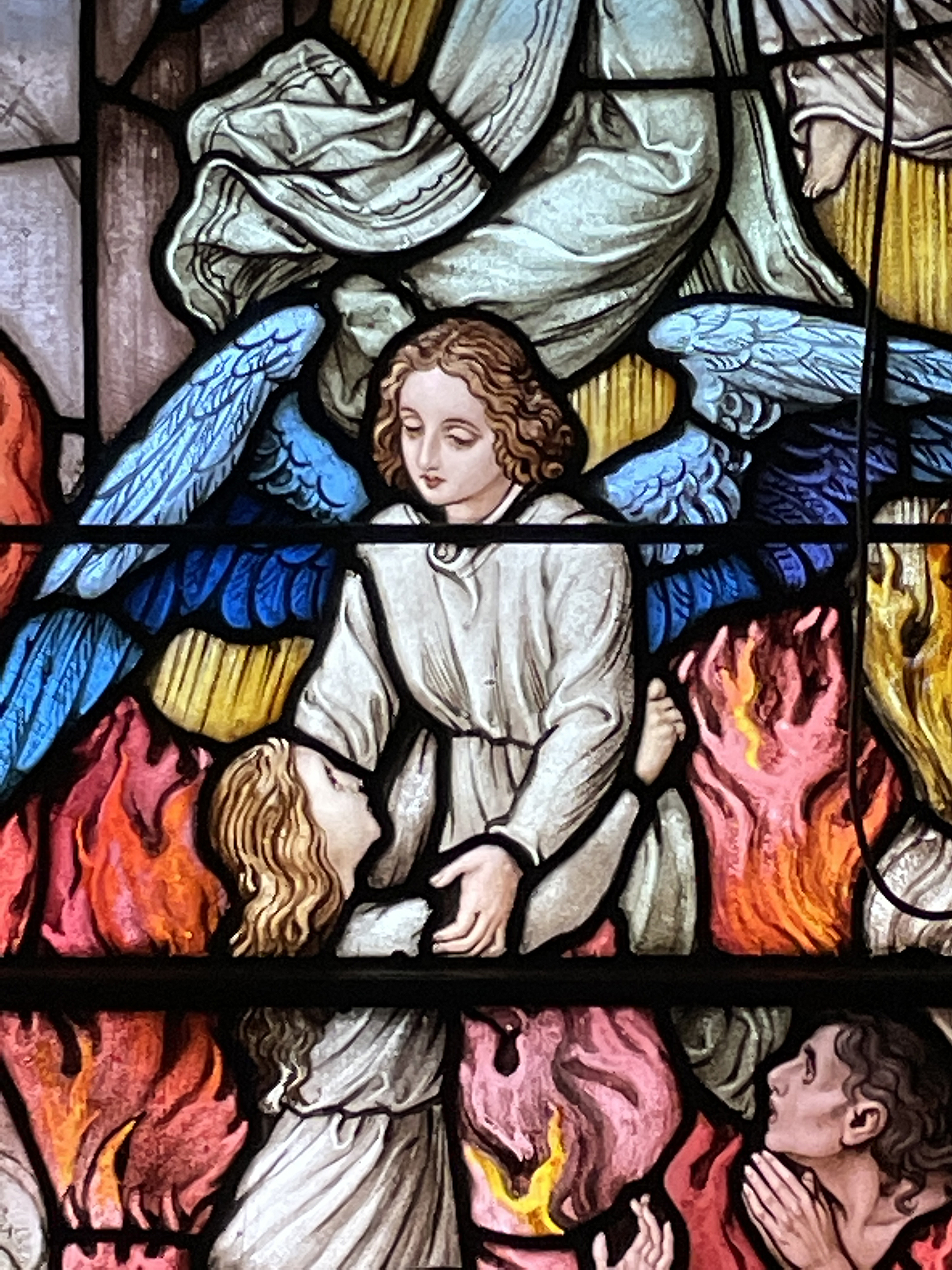
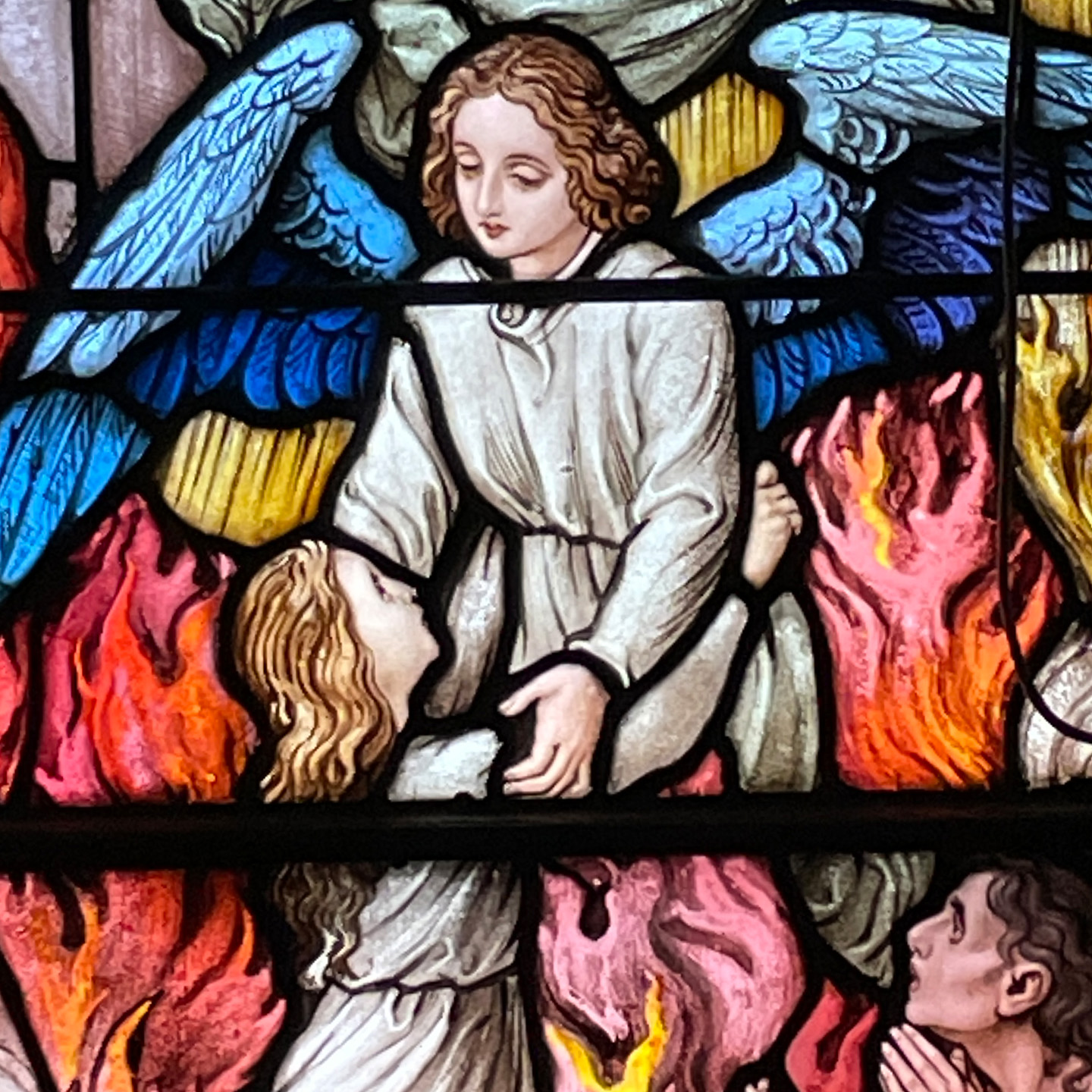
In religious art, angels plucking people from hell symbolize divine mercy triumphing over despair and judgment. Their downward-reaching gestures contrast with the darkness below, visually expressing hope entering a realm of suffering. The figures are often shown with calm authority, emphasizing that salvation is an act of grace rather than human effort. This imagery reassures the viewer that redemption remains possible, even at the threshold of condemnation, through heavenly intervention and compassion.
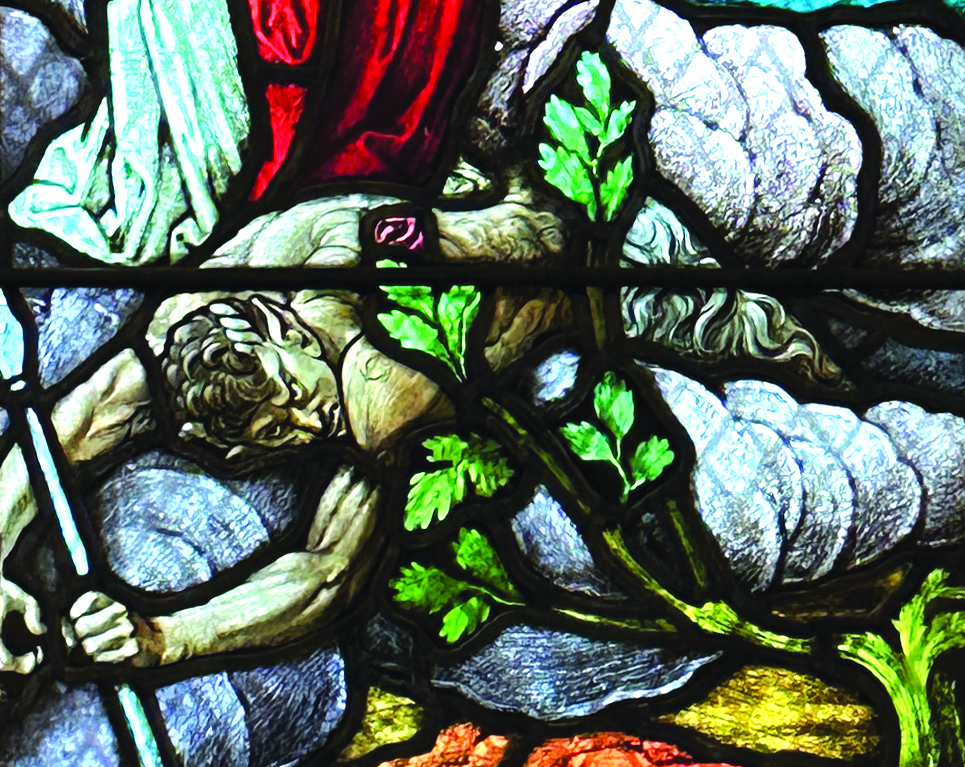
The devil is often shown with horns because early Christian art borrowed imagery from pagan horned gods like Pan to represent evil in a way people already recognized. Horns symbolized wildness, power, and untamed animal instincts, which fit the idea of temptation and sin. Over time, these symbols stuck, and medieval artists helped cement horns as a defining feature of the devil’s appearance.